
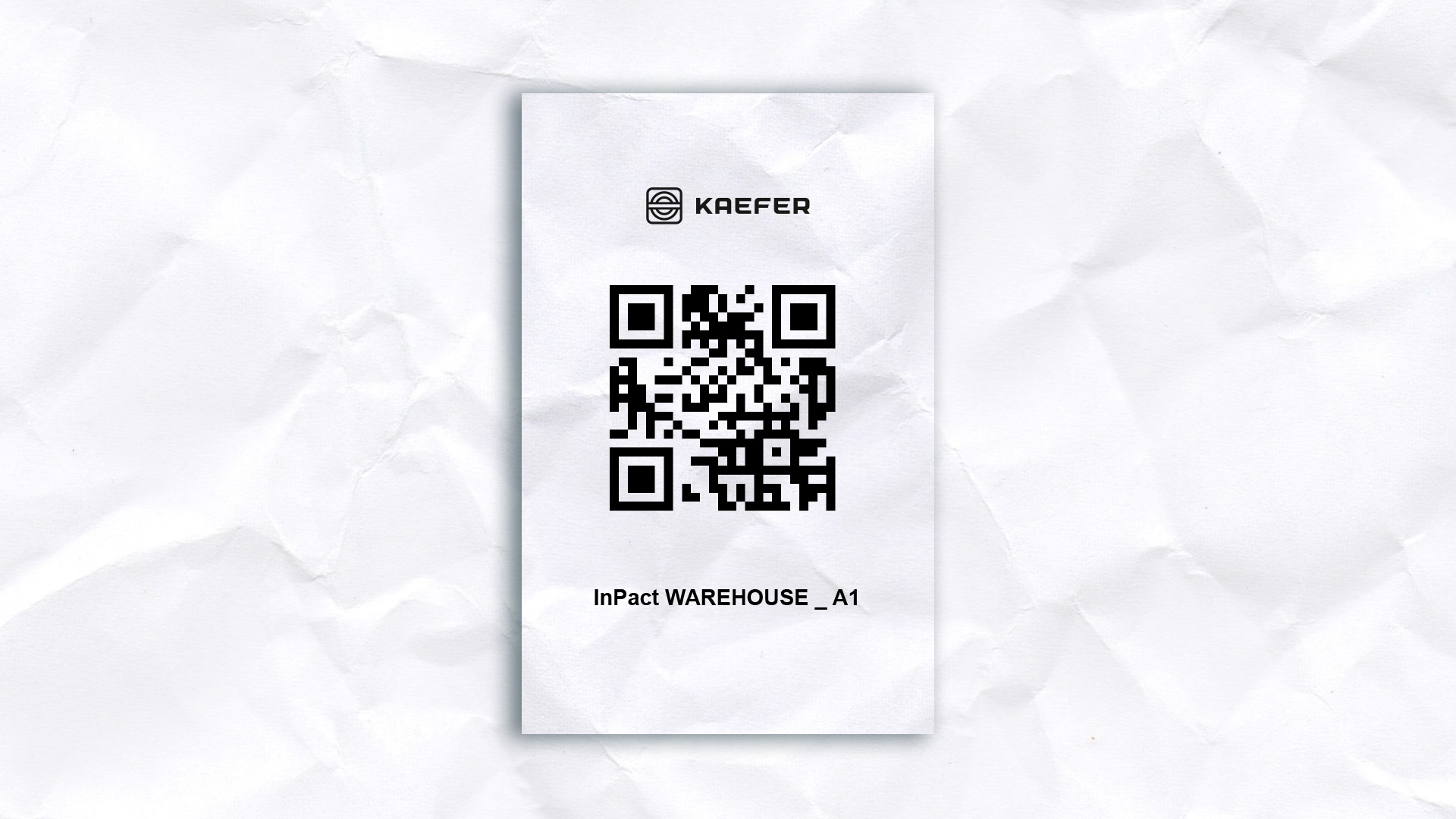
An labelling machine is an essential tool to simplify the identification and tracking of materials and the location identification by generating labels with encoded information. These labels always include a QR code linked to a database to facilitate the Track and Trace function.
We go the extra mile by not only advising on the preparation, installation and purchase of the labeller, but also carrying out project-specific analysis to determine the type of paper required, as paper requirements vary greatly depending on weather conditions.
These labelling machines can be found both in the prefabrication workshop (where InPact prefabrication is used) and in the logistics area.
How do I choose the right labelling system for my project?
STEP 1: CURRENT STATE
You should understand the current workflow and define how you want to operate according to the defined strategy.
To do this, you can go to the ‘INITIAL STAGE’ section where the information is completed, or if this stage is already clear, you can answer these questions directly.
How is the receipt and consumption of materials currently recorded?
Who manages the movement of materials in the warehouse?
What safeguards are in place in the warehouse to protect materials?
What training have the warehouse and logistics staff received?
STEP 2: SYSTEM DEFINITION
PROCESS DEFINITION
– Where will the identification label be placed?
CRITICAL POINTS ANALYSIS
– What are the environmental conditions in which the labeled products will be stored? (humidity, temperature, exposure to light, etc.)
– On what type of surface will the labels be applied? (rough, smooth, metal, plastic)
– How many products or items need to be identified?
– What type of storage is being used? (indoor, outdoor, type of floor, etc.)
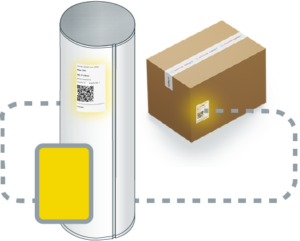
TYPE OF LABEL
– What are the durability requirements for the label material? (water resistance, heat resistance, abrasion resistance, material rotation time, etc.)
– Is it necessary for the label to remain legible over time?
– Should the labels be self-adhesive or are there other attachment options?
What type of label do we need for our project?
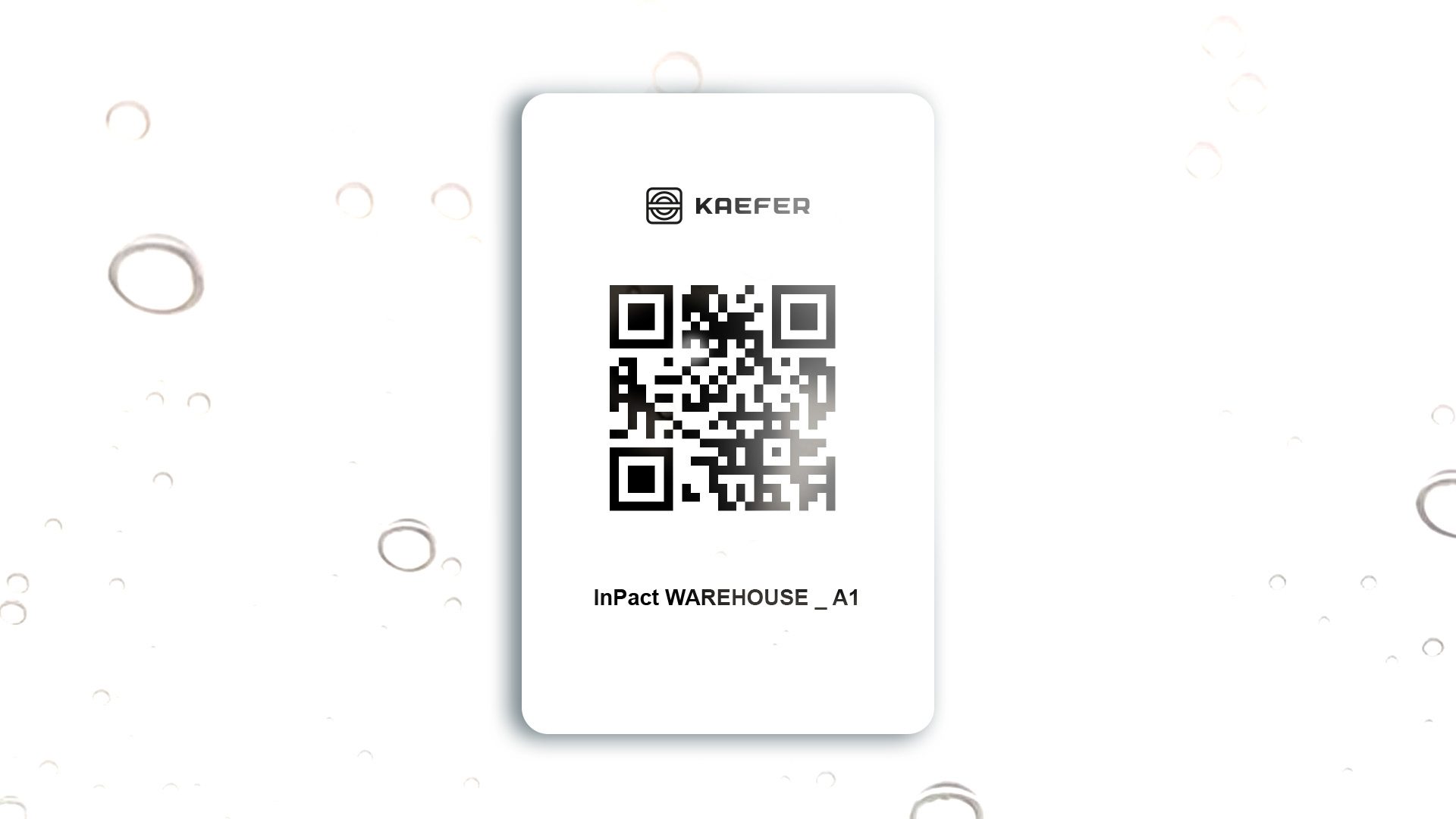
The choice of label is determined by the specific usage requirements of our project. There are two main types of labels: paper and plastic.
PAPER LABELS
Advantages: They are ideal when an economical and easy-to-print label is needed to identify products or locations. They also produce less waste and can be sized to suit the printer used.
Disadvantages: Due to their paper nature, they are not resistant to water or extreme wear and tear, which limits their usefulness in adverse conditions.
PLASTIC LABELS
Advantages: The plastic coating makes them resistant to water, oil, wear and intensive use, making them the ideal choice for labelling materials or areas that are exposed to adverse conditions or that need to remain legible for long periods.
Disadvantages: The invest of the printer is higher.
These labelers can be found both in the prefabrication workshop (when InPact prefabrication is implemented) and in the logistics area.
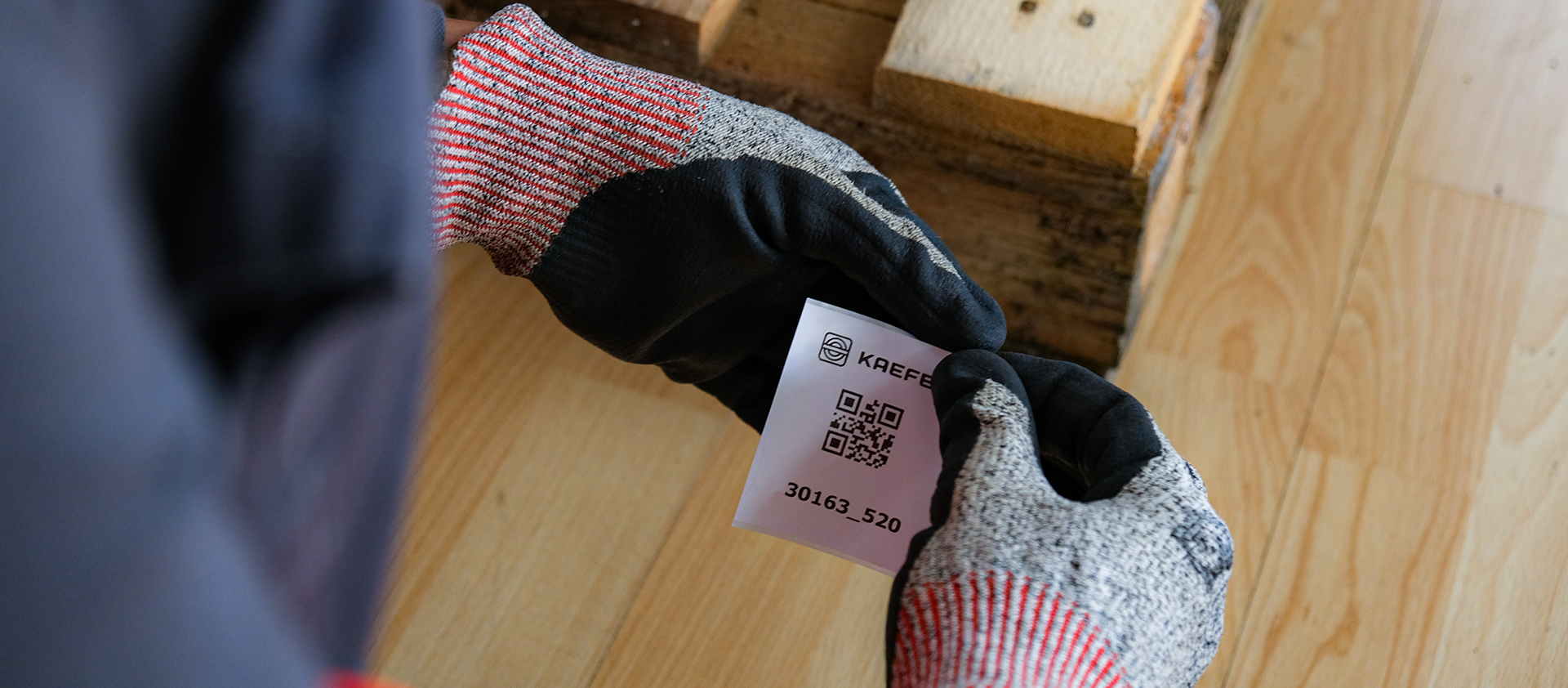
KNOW-HOW
From the outset of this strategic KAEFER project, we aimed to develop the most innovative, cost-effective and easy-to-implement solutions. We have worked with various suppliers and carried out on-site analysis and testing to understand and recommend the most appropriate solutions. Throughout, we have considered the cost of the labelling machine and paper, as well as the surface to which the labels will be applied.
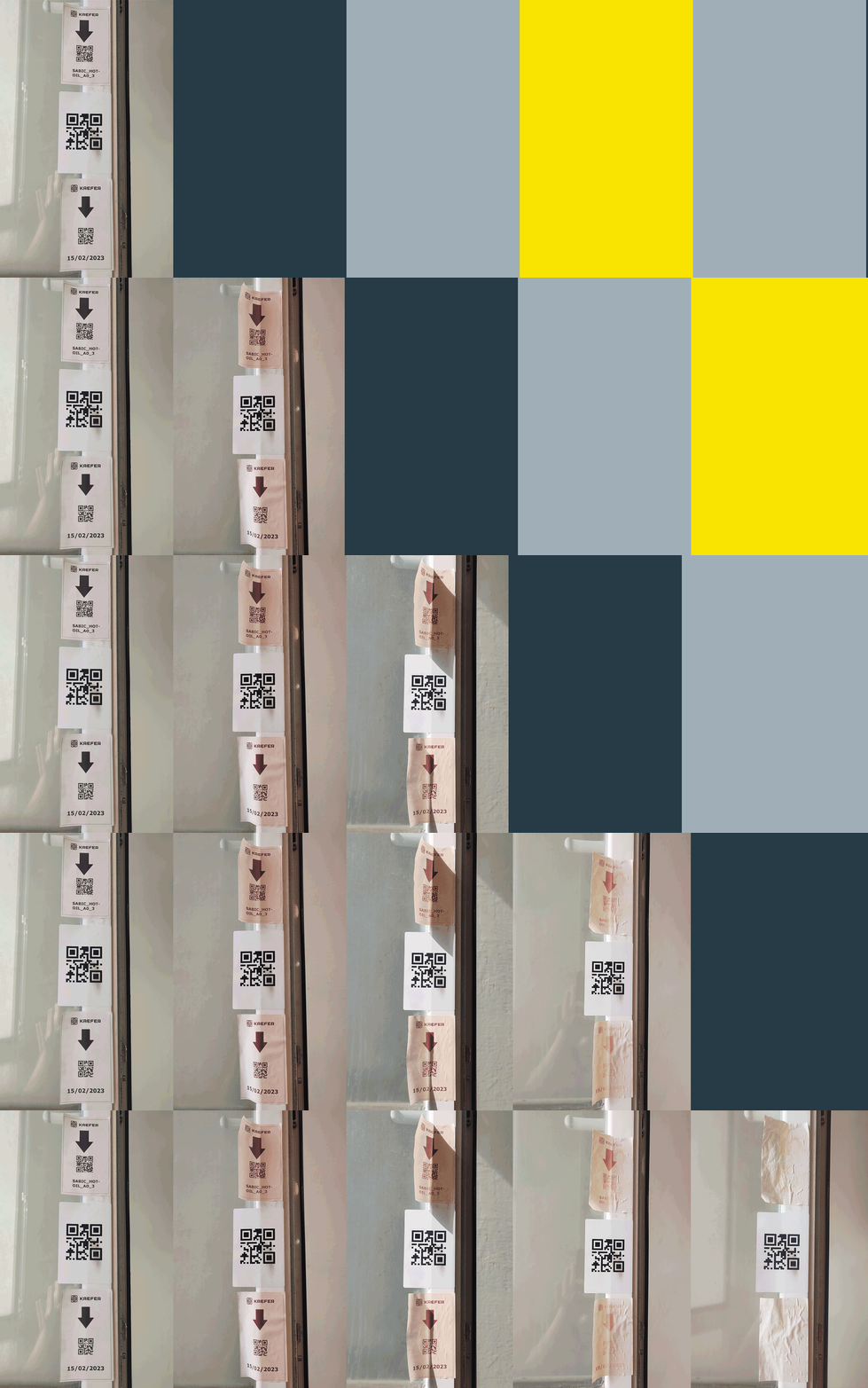
Images from a label test conducted over the course of three months with labels on different types of paper.