
1. ASSOCIATION
We identify material with QR code
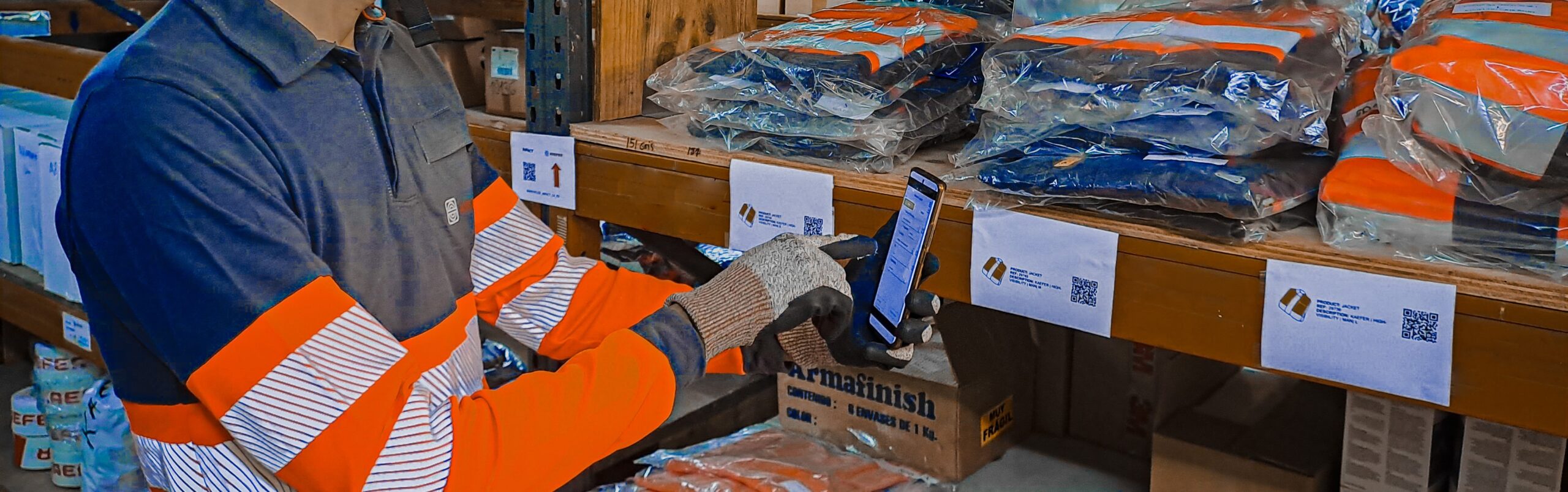
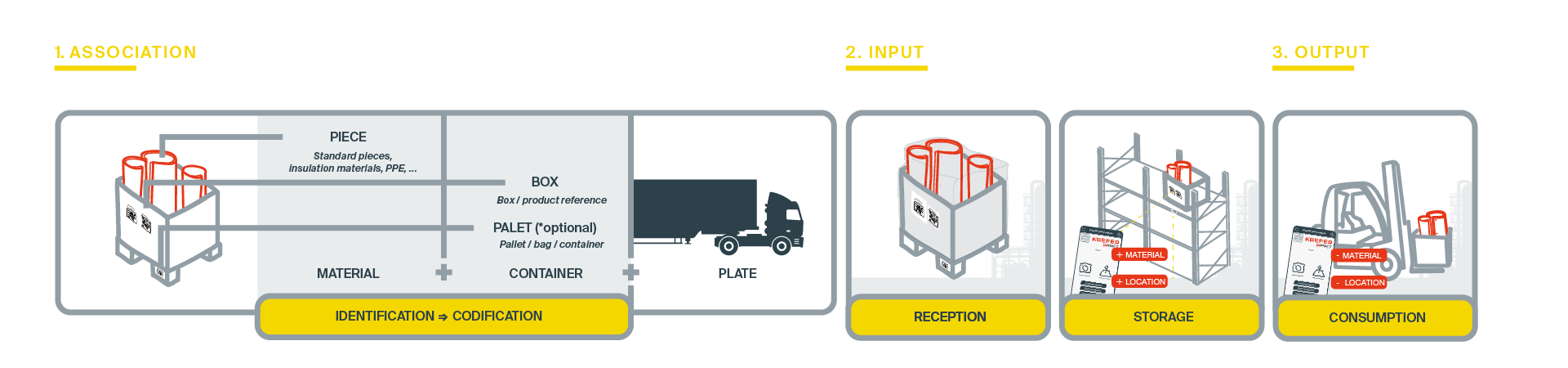
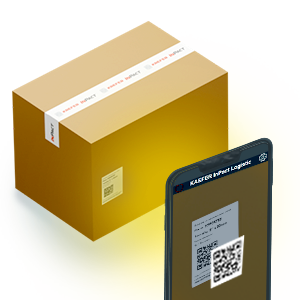
To uniquely associate each location with the material, you must first encode both the materials and the locations (understood as containers or transport supports) with a QR code based on the defined logistics strategy.
Depending on the project, there can be different modes of encoding, with the most common being:
STANDARD PIECES
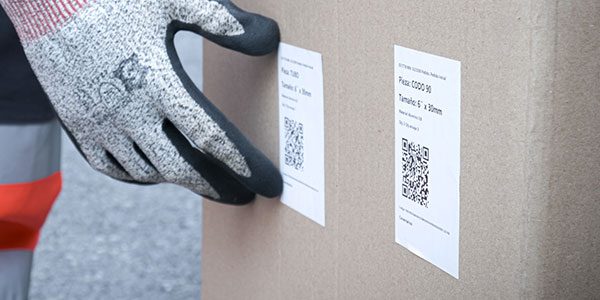
For catalogue pieces, the QR code originates directly from the central workshop with a label for each piece type and quantity in each box. Furthermore, through the logistics application, it can be linked to the pallet and truck plate transporting the material.
PACKING LIST
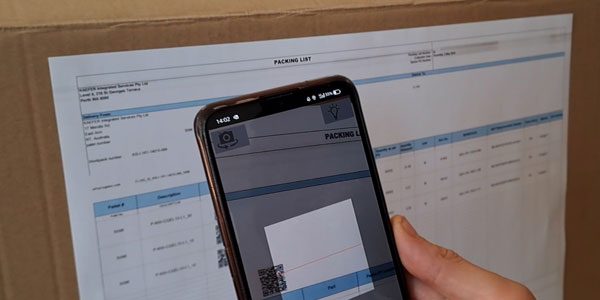
If the coding is generated using information from SAP or another database, a packing list can be generated and a QR code can be associated with each line of information or the structure defined in the project’s logistics strategy.
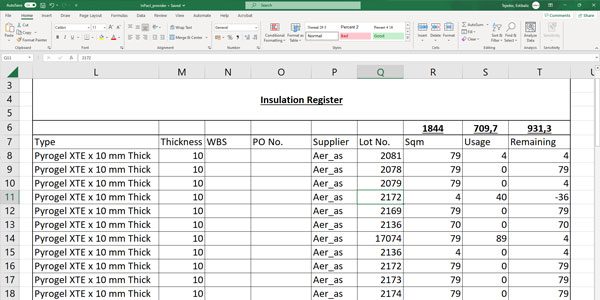
INSULATION SUPPLIERS
If the coding is generated from supplier data, a packing list can be generated and a QR code associated with each row of information or the structure defined in the project’s logistics strategy.
OTHER SUPPLIERS
For materials such as PPE or office supplies, which cannot be handled as in the cases described above, QR codes must be generated manually.
On the other hand, these materials must be registered in the system to maintain traceability.
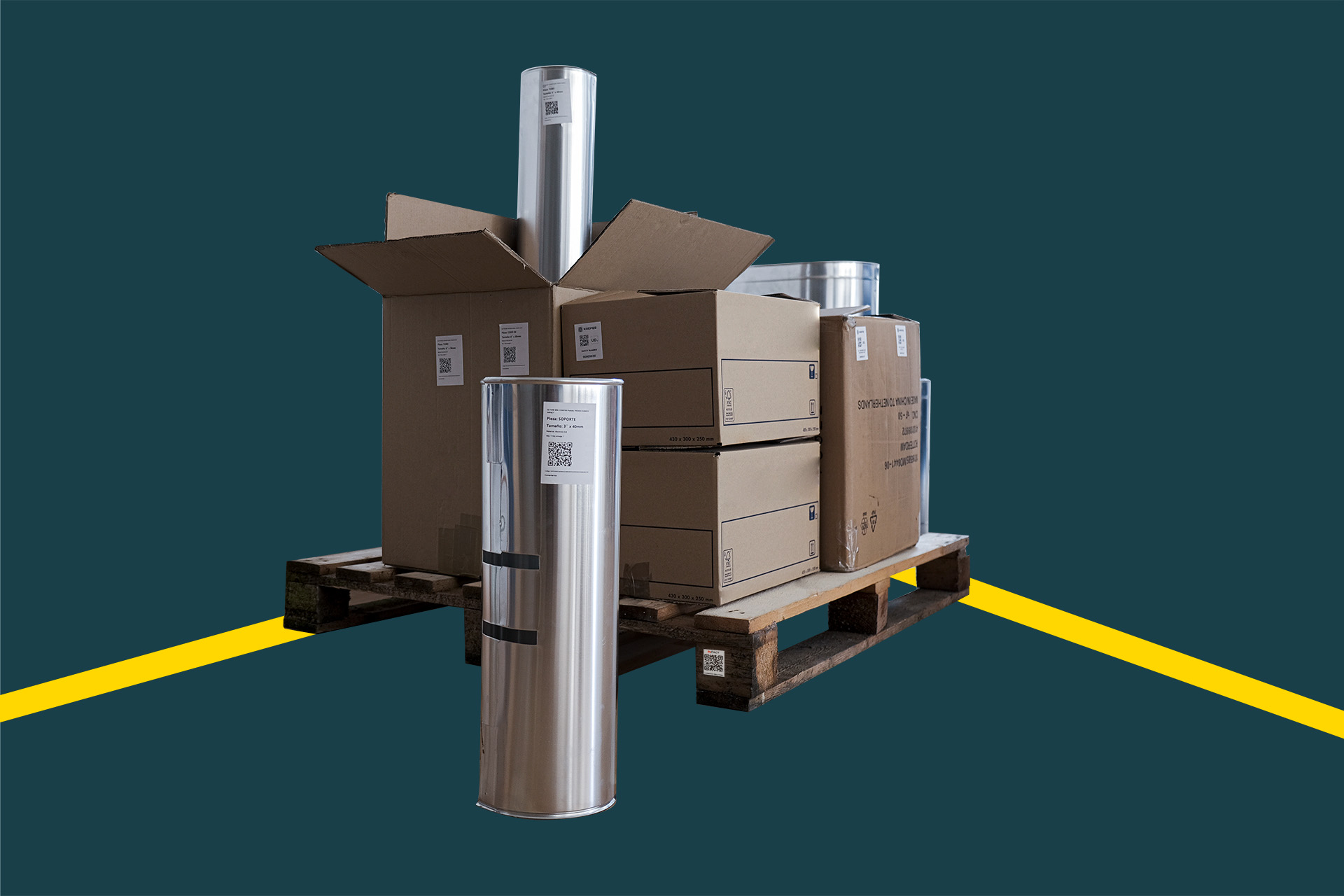
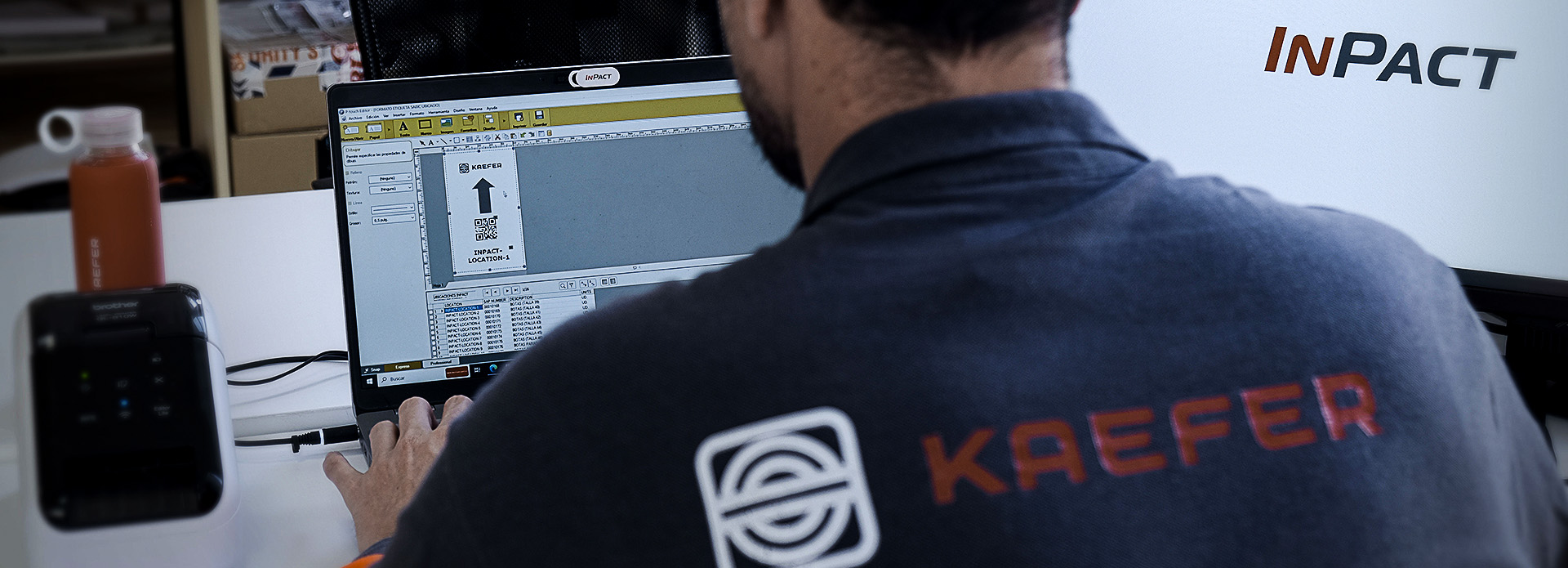
Throughout this process, InPact offers direct support from our logistics expert who will assist in generating the necessary QR codes. Thanks to their extensive experience, they can provide guidance on best practices for each case.
2. INPUT
We record material input and place it in its location
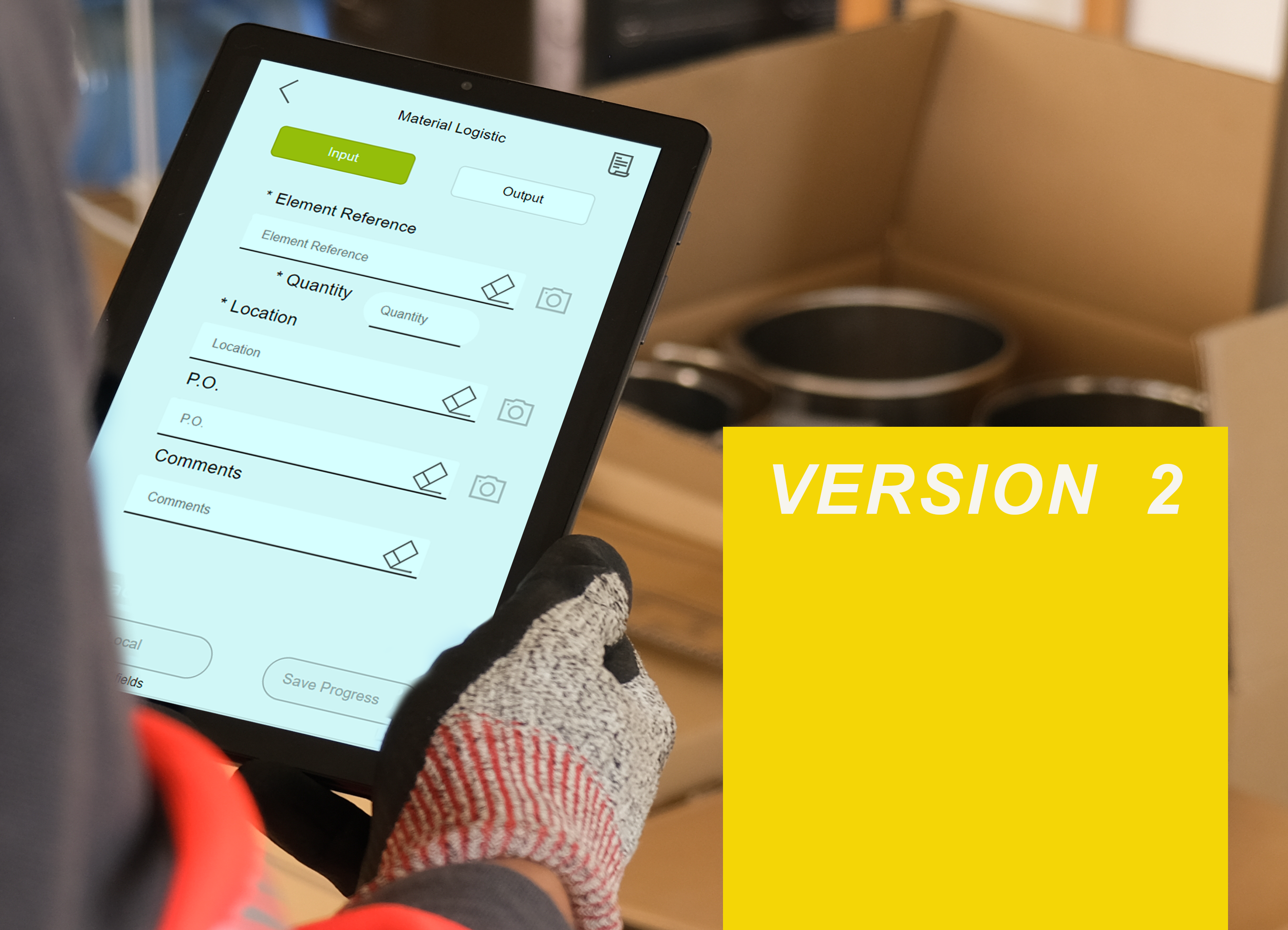
Our LOGISTICS SOLUTIONS APP allows us to associate each QR code with the corresponding material and its location.
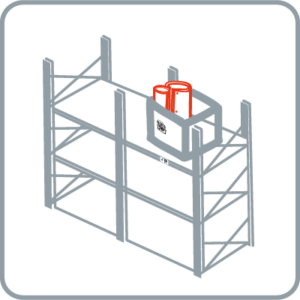
When the material arrives, it is necessary to assign it to a location by scanning its position according to the defined storage strategy.
Important: It is essential to ensure that each QR code contains the unique identifier corresponding to the material or location, that it is positioned accurately and that it is easy to scan, avoiding any damage that could affect its readability.
3. OUTPUT
We record consumption
Each time a material is consumed at a location, workers must scan the corresponding QR code and location to keep the information up to date.
These steps provide you with a system that uniquely associates each location with the material and tracks its movements and consumption.