MILESTONE < WORKSHOP < DIGITALISATION
Digitalisation in the manufacturing industry is undoubtedly a fundamental change that is here to stay. It is no longer a passing trend, but a revolution that is changing the way workshops and companies in the sector operate and compete in a constantly evolving and highly competitive business world.
In our case, the aim is not to turn the factory into a fully automated and digitalised environment, but rather to create synergies between technologies and manufacturing tasks at key points that add value and increase productivity. This commitment to digitalisation is in line with KAEFER’s strategic digital roadmap. Rather than investing in a complete plant transformation, InPact has spent the last few years identifying key areas where technology can have a significant impact. This allows a more focused and cost-effective implementation of digital solutions for both prefabrication and logistics.
We have also driven the internal development of the necessary technologies for digitalisation at no extra cost and free of charge, as we use the Microsoft environment for these developments. With the KAEFER employee email account and downloading applications from the Microsoft Store, you have access to the technology you need, tailored to your profile.
SIMPLIFIED PLANNING
Planning in manufacturing is fundamental, but highly complex, requiring extensive knowledge and deep involvement to manage resources effectively. Thanks to digitalisation, we can make the job of the shop floor manager much easier by providing advanced tools and technologies that simplify planning and workload control.
With this in mind, InPact has developed a material request system that improves data traceability and becomes a valuable asset for the new project management. The other mainstay of this planning is the standardised parts catalogue.
WORKING WITH OPTIMISED PARAMETERS RATIONALISES RESOURCES
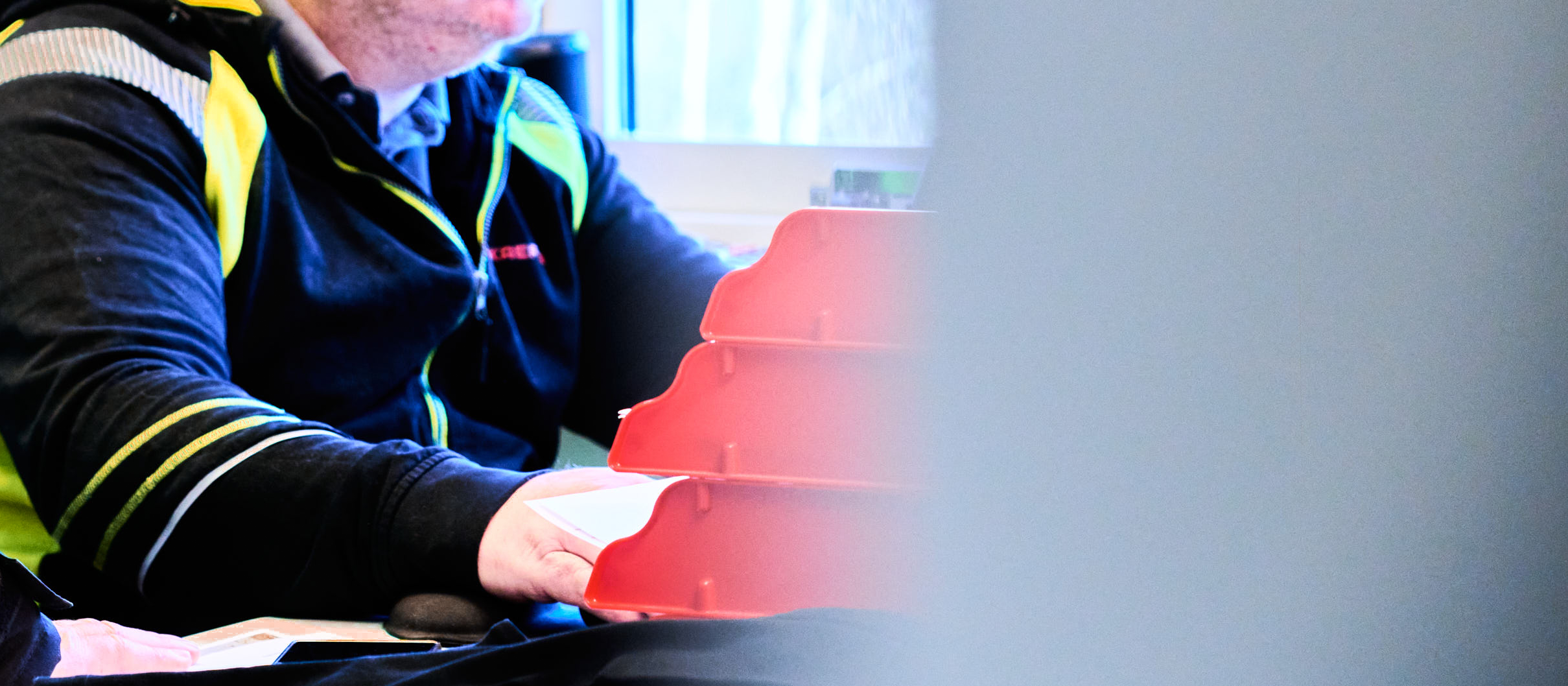
This catalogue, prepared using the most common and advantageous parameters for KAEFER, gives us a deep insight into the technical characteristics of materials and their associated costs. It makes the work of workshop operators easier, because we no longer have to rely on manual and individual analyses and enquiries, but can work with work packages linked to work cells and worker profiles, reducing the burden of critical processes and freeing up valuable resources.
Perhaps its most valuable contribution, however, is its ability to ensure robust traceability at every stage of a project’s lifecycle. Each item in the catalogue becomes a node in a network of information that enables precise tracking of materials used. Not only is this critical to maintaining exceptional quality standards, but it also supports accountability at every stage of the process and reduces order management errors.
As we move towards excellence in digital manufacturing, a parameter-based catalogue is an unwavering ally. It is the compass that guides our decisions, the force that drives automation, the tool that optimises our resources, and the guardian of traceability that prevents us from deciphering drawings and becoming metalsmiths.

DATA TRANSPARENCY
Reliable data support informed decisions at all levels, from production planning to human resources management, enabling workshop managers to optimise their operations and remain agile in an ever-changing business environment.
From production planning to people management, reliable data is the engine that drives efficiency and agility in an ever-changing business environment.
At the heart of this revolution is the ability to use accurate data to reduce material and resource waste, resulting in a significant reduction in operating costs in line with LEAN methodologies. This approach not only serves as a sound financial strategy, but also fosters a culture of continuous improvement.
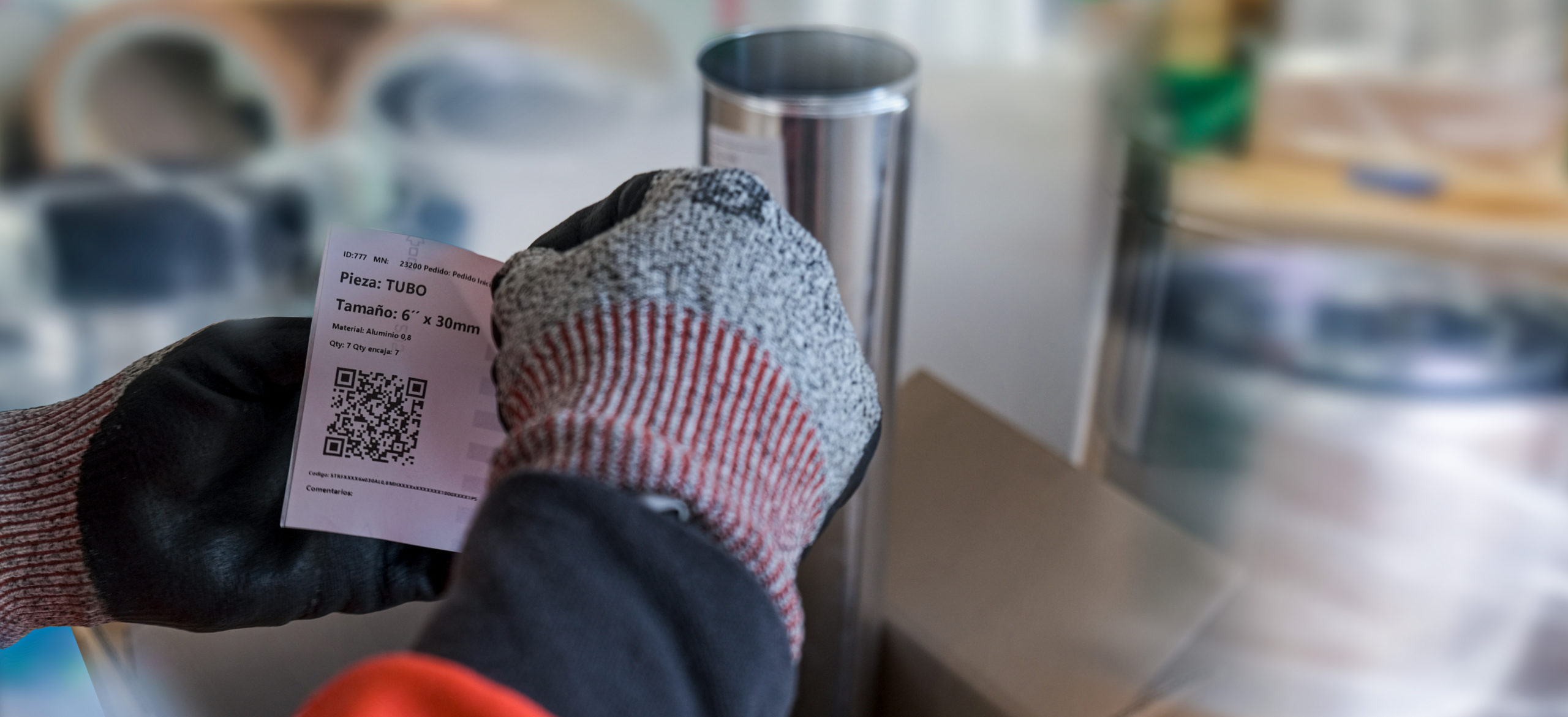
But data goes beyond the numbers on a balance sheet. It drives us to create innovative logistics solutions where component traceability starts with the order, but does not stop there. Once produced, we can uniquely identify that material through our QR code coding system, which, combined with a robust database, allows us to maintain real control over production. Project managers can then implement a data-driven procurement and demand policy.
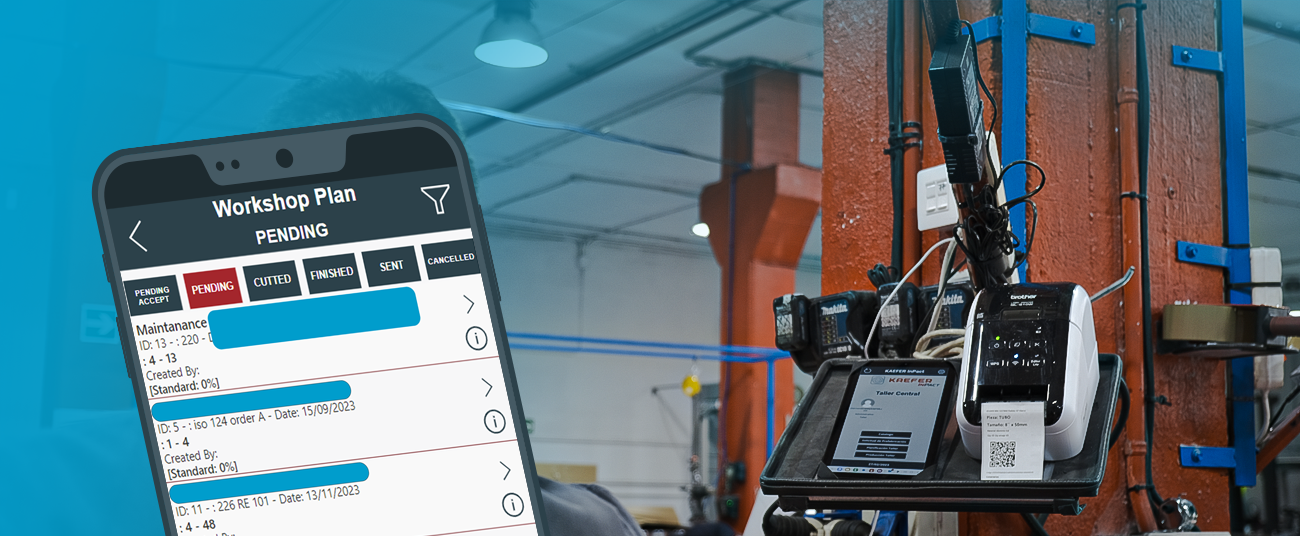
To achieve this, over the last few years we have developed a labelling system to produce identification labels. Each work cell is equipped with a tablet running the InPact prefabrication application and a label printer to identify the material and link it to a unique code via the application.
Finally, let’s not forget the importance of meeting delivery deadlines. Efficient manufacturing is not just about reducing costs, it is also about meeting the expectations of our projects on site. With effective, data-driven planning and control, it becomes more feasible to meet delivery deadlines. This, in turn, not only improves employee satisfaction, but also strengthens the company’s reputation in the marketplace.
FROM KAEFER TO KAEFER
WITHOUT ANY EXTRA-COST
FROM KAEFER TO KAEFER
WITHOUT ANY EXTRA-COST
Efficient processes.
Reliable information.
Just-in-time data.
Flexibility through in-house development.
Simple and visual tools.