

Material Types
Material Types
In the KAEFER warehouses, we manage a wide variety of materials that support both workshop and site activities. Within the InPact methodology, we classify all controlled materials into four main categories, each with its own characteristics, requirements, and traceability rules.
Standard Parts
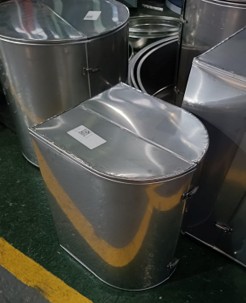
These are parts produced in a workshop where the InPact methodology is fully implemented.
They are always identified using individual labels on each part or on each pallet, ensuring full traceability from production to installation.
Standard parts are available only when both the Project and Workshop solutions are implemented, as these systems provide the necessary digital workflows for tracking, storage, and consumption.
Example locations where this is already in place: Qatar, South Africa.
Site Materials
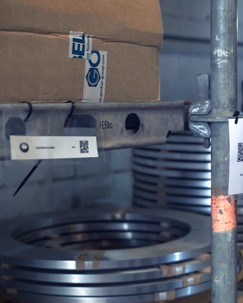
This category includes any type of material required for construction or installation activities on site.
Site materials usually come from multiple suppliers and may vary significantly in size, type, frequency of delivery, or consumption rate.
Typical examples include:
– Consumables.
– Temporary materials and auxiliary elements.
Tools or components that are not manufactured in the workshop.
PPE
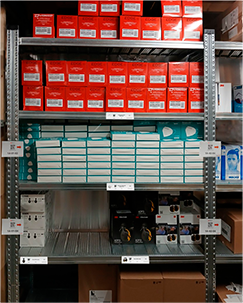
These materials include all safety items required by workers to carry out their tasks safely.
PPE must be controlled not only for stock purposes, but also to ensure compliance with safety standards, expiration dates, and replacement rules.
Examples of PPE materials:
-
Helmets, gloves, safety glasses
-
High-visibility clothing
-
Fall-protection equipment
-
Respiratory protection
-
Special PPE required for specific project conditions
Standard Parts
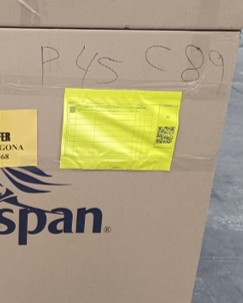
These are parts produced in a workshop where the InPact methodology is fully implemented.
They are always identified using individual labels on each part or on each pallet, ensuring full traceability from production to installation.
Standard parts are available only when both the Project and Workshop solutions are implemented, as these systems provide the necessary digital workflows for tracking, storage, and consumption.
Example locations where this is already in place: Qatar, South Africa.